When they come out, others notice them because they’re not a part of the everyday social experience. The study concluded that alcohol increased the odds of physical aggression in those men who had high trait anger and poor anger management skills. It also noted that sexual aggression was higher with alcohol, even in men with low trait anger and reasonable anger management skills. Intimate partner violence is of great concern when it comes to alcohol and anger. Violence can occur in marriages, long-term partnerships, and dating relationships. Alcohol impairs cognitive function, which means it is more difficult to problem-solve, control anger, and make good decisions when drinking.
The Cycle of Anger and Alcoholism: How Drinking Alcohol Makes Anger Problems Worse
- Alcohol-induced aggression doesn’t always look like a movie-style bar fight—it can be shouting, threatening, or even silent intimidation.
- Decreased cognitive function also means it’s more likely for you to misread a situation and overreact.
- Alcohol abuse can be caused by various factors, including genetics, mental health issues, and environmental influences.
- However, for some, alcohol can cause anger and aggression, which can become a real problem.
Once you identify you’re feeling lonely, you can take steps to get connected, whether it be calling a friend or joining a support group. Relapse is prevalent, with almost sixty percent of people having one major episode a year after completing treatment. But, anger problems are often cited as one of the main culprits of relapse among recovering alcoholics. If your partner is making you feel, it’s important to shield yourself and your emotional well-being. Each individual needs to understand their individual relationship to alcohol and be aware of how it affects their life. Impulsive individuals tend to act without thinking about the consequences.
Our mental health services
Many people whose behavior changes drastically with drinking have a hard time believing it when they’re sober. But the best choice for you and the people around you is to enter treatment and work to become a better person. If you believe you’re displaying more than one of these behaviors, you might be dealing with a dry drunk syndrome or another co-occurring disorder in your recovery. Consider speaking with an addiction therapist to discuss your feelings and explore the various treatment outlets to find happiness and fulfillment in your sober life. There can be negative thoughts or experiences when recovering alcoholics compare their old heavy drinking lifestyle to their new sober lifestyle.
- Despite what you may have heard, anger is not an unhealthy emotion.
- For angry and aggressive behaviors and alcohol use disorder, web-based therapy has a track record of success.
- By understanding how alcohol abuse influences your mood, you can learn to make positive choices instead of ones you may regret.
- If you’ve noticed a pattern of anger connected to your drinking, please know you don’t have to figure it out on your own.
- The brain is the human body’s main organ that deals with cognition, memory, and emotional responses.
Getting Help at Lighthouse Recovery Institute
Effective treatment usually involves both alcohol recovery and emotional healing. Many people benefit from inpatient or outpatient rehab centers that offer integrated care. Loved ones may feel confused about whether the behavior is “just the alcohol” or a deeper personality issue. This article explores the causes behind alcohol-induced aggression, the warning signs to watch for, and how to find support and treatment for those impacted. We are going to explore the science behind alcohol-induced anger, how it connects to past emotions, and what you can do to break the cycle.
Disinhibition, alcohol, and rage
Individuals may find themselves more inclined to express emotions that they typically keep concealed, such as anger, sadness, or vulnerability, when under the influence. Minor provocations that might typically be manageable can escalate into heated confrontations or aggressive outbursts when alcohol is involved. I made a joke that upset him and he started yelling and calling me names. I have learned that when Tom gets like that, it’s best to just agree with him. When combined with other evidence-based therapies, such as cognitive behavioral therapy (CBT), MAT can help prevent relapse and increase your chance of recovery.
The ultimate goal is to help them get into a treatment program that addresses their substance abuse and the way it causes them to behave. But this is often easier said than done, and mean drunks can turn violent when provoked, meaning that if you share a living space with one, your safety should be your main priority. An earlier study found that alcohol use enhanced aggression primarily among individuals who showed a heightened disposition for such behavior (Eckhardt and Crane, 2008). They were directed to engage in a task with the potential to trigger aggressive verbalizations, with those who consumed alcohol showing significantly more such behavior.

A Dangerous Correlation: How Anger and Alcohol Contribute to Domestic Violence
- If you start to experience any of these emotions, that can act as a key signal from your body that it’s time to practice some basic self-care.
- This can result in anger outbursts linked to unresolved trauma, which may be harder to manage while intoxicated.
- During this time, individuals often can’t reason, which leads them to risky behaviors, such as drinking again.
- Researchers have reported that people who show high levels of rumination are more likely to act out aggressively when consuming alcohol.
Alcohol’s ability to temporarily reduce anxiety can also intensify the urge to act on impulse. If you’re less worried about what others will think, or of any consequences, you could be more likely to have a strong reaction when something upsets you (2). Alcohol causes changes in the prefrontal cortex (PFC), leading to disinhibition. It affects parts of your brain responsible for movement, memory, self-control, and basic functions like hunger and thirst.
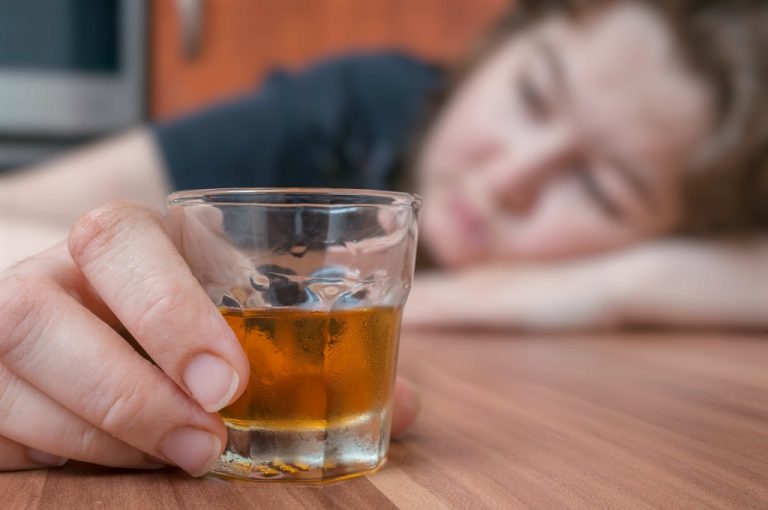
The stereotype of the “angry drunk” exists for a reason, but the connection between alcohol and anger is more nuanced than you might think. Instead, alcohol acts on your brain in specific ways, lowering your inhibitions and disrupting the chemical signals that keep your emotions in check. One study found that chronic alcohol use decreases the function in the prefrontal cortex, which plays a key role in impulse control. Everyone reacts differently to various types of alcohol, so it can be difficult to pinpoint the Oxford House exact type of alcohol that makes an individual aggressive.
As difficult or intimidating as it may be, it’s important to try to talk about your frustrations. This may be easier if you think about what you’re frustrated about and come back to it once you’re calm. Then you can decide what your true feelings are and how you want to verbalize them. You and your boyfriend may have underlying tension that needs to alcohol and anger be resolved through effective communication. If you aren’t able to have a healthy conversation about the things that are bothering you, it can create underlying issues that will come up when you’re intoxicated. Simply put, this means that alcohol does not cause someone’s personality to change – it merely reveals traits that are already there.
Professional treatment for alcohol-related anger can help avoid the habit of drinking and decrease the likelihood of alcohol-related aggression. The management for a person who is addicted and has anger issues includes the following ways. When you drink alcohol, you behave impulsively, which can affect your decision-making abilities. When you are drunk, most things will cloud you, and you will not be able to perceive situations correctly. Sometimes, a victim who has experienced abuse or mental trauma may get addicted to alcohol. It happens because such a person would seek escape from the painful thoughts of previous trauma or abuse.