The Thrill of Gambling: Understanding the Rush
Gambling is often associated with adrenaline and excitement. The thrill experienced when placing a bet or spinning a slot machine is deeply rooted in our psychology. This rush triggers the release of dopamine, a neurotransmitter linked to pleasure and reward. As players engage in gambling, this chemical response can create a cycle of repeated behavior, where the prospect of winning enhances the excitement. Many enthusiasts enjoy exploring the best bitcoin sportsbooks to amplify their experience, encouraging further play.
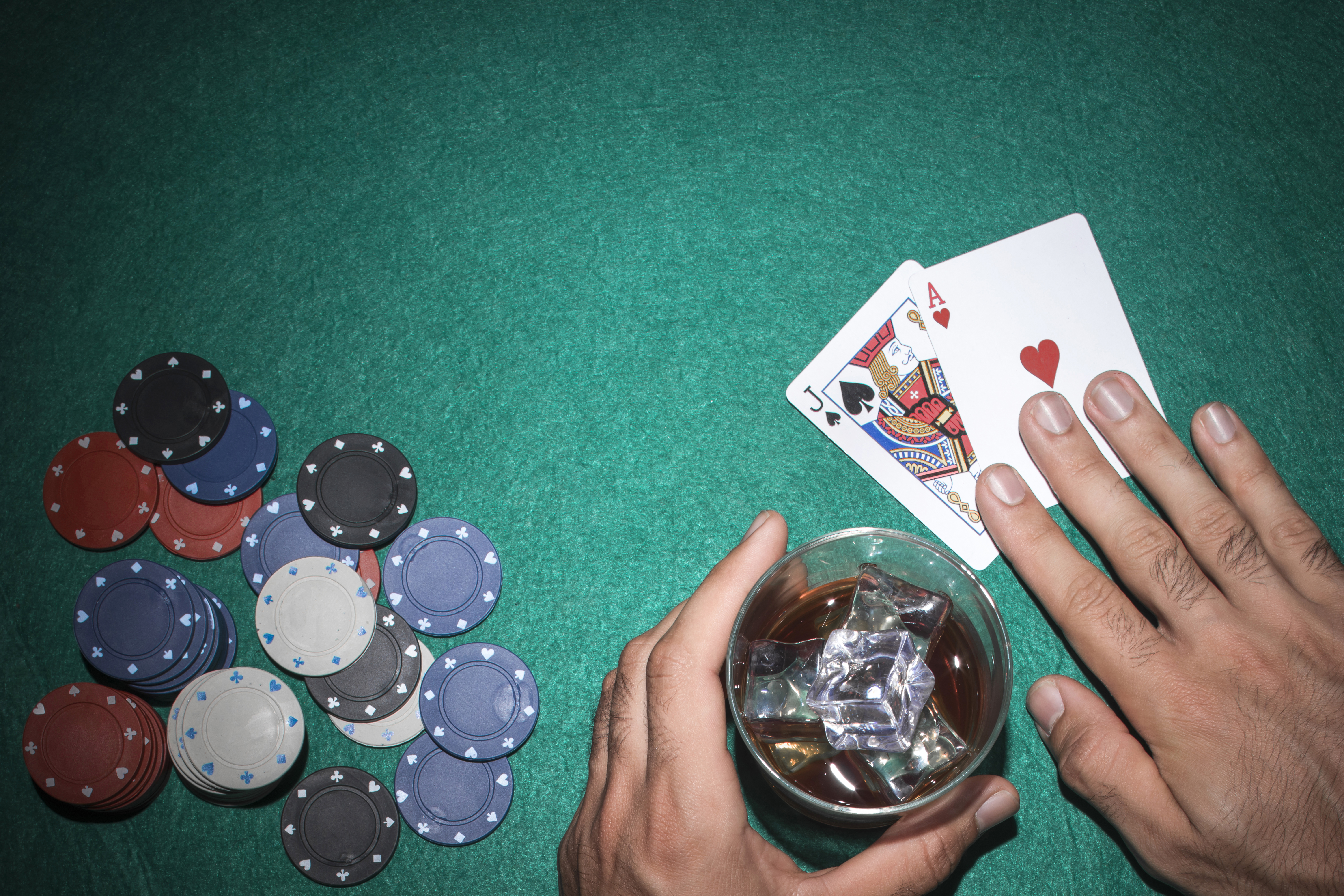
This emotional high can lead to a distorted perception of chances and outcomes. Gamblers may start to believe they have a better chance of winning than they actually do, influenced by the immediate gratification of small wins or the excitement of potential big payouts. Understanding this rush can help players recognize the psychological trap that can ensue, where the thrill overshadows rational decision-making.
Luck and Skill: The Psychological Duality
When it comes to winning at casinos, players often grapple between luck and skill. Many believe that personal skill can influence the outcome, particularly in games like poker or blackjack, where strategy plays a critical role. The belief that one can manipulate odds through skill can enhance a player’s confidence and lead to a more engaging experience.
However, this mentality can be a double-edged sword. The perception of skill often overshadows the element of chance inherent in most games. This can result in overconfidence, where players may take unnecessary risks, believing they can control their fate. Recognizing the balance between luck and skill can help gamblers make more informed choices and temper their expectations.
The Role of Cognitive Biases in Gambling
Cognitive biases significantly shape the way gamblers perceive their experiences. One common bias is the “gambler’s fallacy,” which is the belief that past events can influence future outcomes in a game of chance. For instance, a player may think that a slot machine is “due” for a win if it hasn’t paid out recently. This flawed logic can lead to excessive gambling and increased losses, as players chase what they believe are favorable odds.
Another bias, the “hot-hand fallacy,” occurs when players believe that a winning streak will continue. Such cognitive distortions can fuel risky behaviors and lead to unrealistic expectations about long-term results. A deeper understanding of these biases can empower gamblers to recognize and counteract them, thus making more rational decisions while gambling.
The Social Aspect of Casino Gambling
Gambling in a casino setting is a highly social activity. The environment is designed to be engaging, with bright lights, lively sounds, and a bustling atmosphere that encourages camaraderie. Players often share their wins and losses, creating a sense of community and connection. This social interaction can enhance the overall experience, making it more enjoyable and immersive.
However, these social dynamics can also influence gambling behavior. The pressure to conform to the group can lead individuals to participate in riskier gambling than they would engage in alone. Understanding the influence of social factors is crucial for gamblers, as it can help them navigate peer pressure and make decisions that align with their own values and financial limits.
Conclusion: A Resource for Responsible Gambling
As we explore the psychology behind winning at the casino, it becomes evident that understanding the emotional and cognitive factors at play is essential. By becoming aware of the thrills, biases, and social influences, gamblers can foster a healthier relationship with gambling. Knowledge is power, and being informed can transform the gambling experience from one of potential addiction to one of mindful enjoyment.
For further information and resources regarding responsible gambling practices, it’s beneficial to seek out platforms dedicated to this topic. Engaging with such resources can support a balanced approach to gambling, ensuring that the thrill of the game remains enjoyable while minimizing the risks involved.